Philadelphia is one of the most walkable major US cities — the original colonial grid means most of downtown is still on a 90-degree street pattern, and you can move between Independence Hall, Reading Terminal Market, and Rittenhouse Square on foot in a single afternoon. The city’s interesting parts radiate from a compact center, and 2026 — the year of the US 250th anniversary — is when the historic sights are getting their biggest visitor upgrade in decades. A short, walkable, neighborhood-anchored trip works better here than the usual “see the Liberty Bell and leave” routine.
Philadelphia is small for what it contains
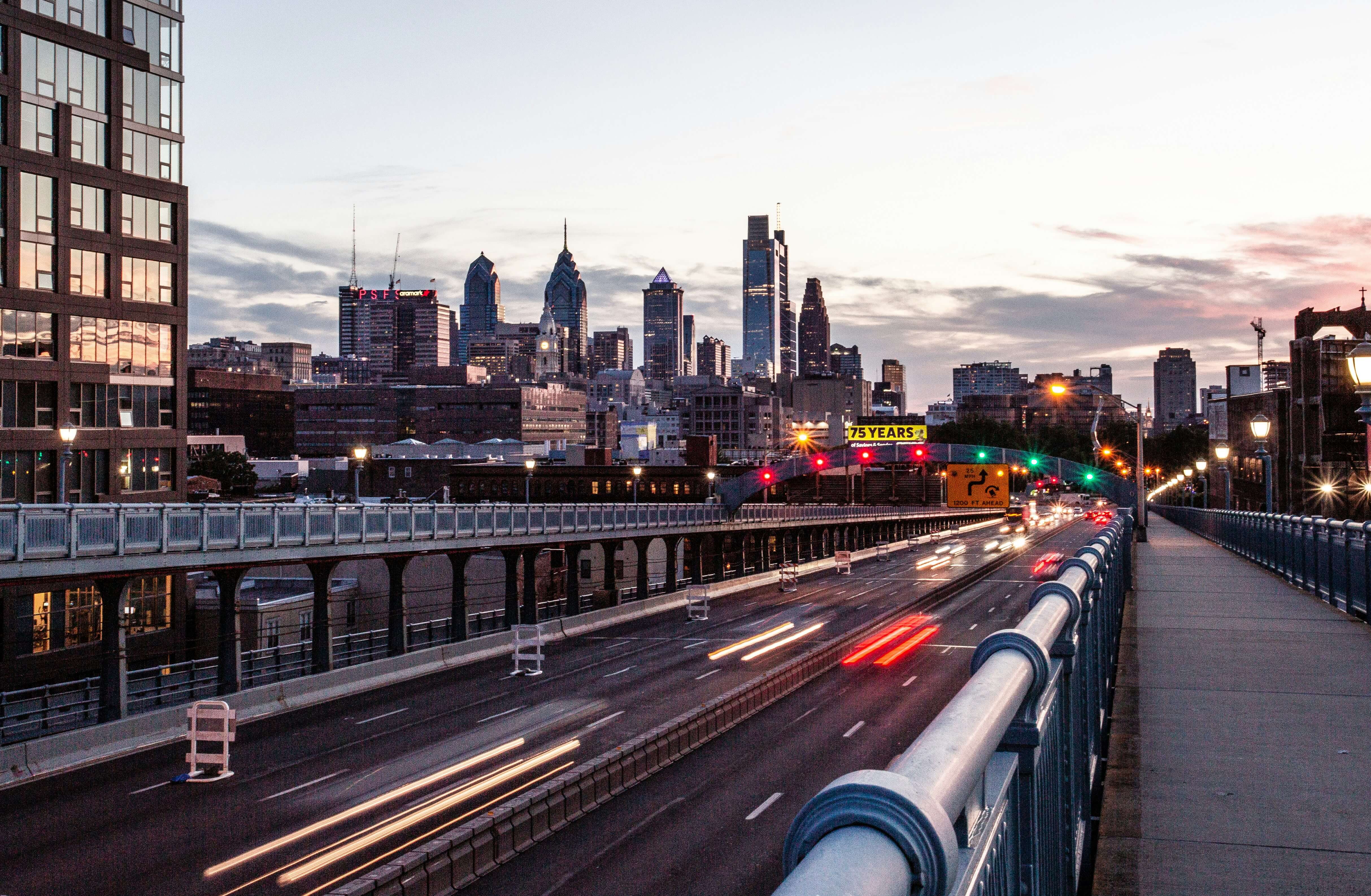
The thing first-time visitors tend to underestimate: downtown Philadelphia is small. Independence Hall to Rittenhouse Square is a 25-minute walk. Old City to South Philly’s East Passyunk is about 45 minutes on foot, less by SEPTA. The whole “tourist Philadelphia” — Old City, Center City, Rittenhouse, Reading Terminal, the Parkway museums, South Street — fits inside a 3 km radius.
This is also why the city rewards a slower trip. The temptation is to rush the historic sights and leave. The version that works picks one base, treats the historic district as a single afternoon, and uses the rest of the days on neighborhoods that don’t get the same Instagram coverage.
Picking a base: five areas, five different versions of the trip
Rittenhouse Square / Center City West — The default first-time base. Walking distance to almost everything: Reading Terminal Market, City Hall, the Parkway museums, South Street, and the Old City. Best restaurant density in the city. Hotels skew higher-end but include mid-range options. Strong base for almost any first trip.
Old City — The historic core. Cobblestone streets, brick rowhouses, Independence Hall, the Liberty Bell, the Museum of the American Revolution. A walking-only base — everything important is within blocks. Tradeoff: hotel options are thinner, and the area can feel touristy. Strong choice for a history-focused trip.
Center City East / Washington Square — Between Rittenhouse and Old City. Walkable to both, slightly less expensive than Rittenhouse, with a quieter residential feel. Strong choice for a balanced base.
Fishtown — Philadelphia’s creative, food, and music neighborhood, just northeast of Center City across the river. Younger, indie restaurants, breweries, art galleries. Tradeoff: most visitor sights are a SEPTA ride away. Strong choice for a second visit or a food-focused trip.
East Passyunk (South Philly) — A South Philly neighborhood with strong food, walkable evenings, and a real “city of neighborhoods” feel. Tradeoff: limited hotels (mostly Airbnb-style options), and further from the historic district. Strong choice for travelers who want a local-feeling base and don’t mind transit time.
Center City hotels near the Convention Center and Reading Terminal Market work logistically but skew business-traveler clean. Walk a few blocks to Rittenhouse or Washington Square for more character.
Getting around: SEPTA, walking, and the South Street trolley
Philadelphia’s transit is functional but not glamorous, and most visitor neighborhoods sit close enough together that walking is the right tool for half of trips.
SEPTA. Three subway-style lines plus regional rail:
- Broad Street Line (BSL, Orange) — north-south under Broad Street, connecting North Philly, Center City, and South Philly. The line that reaches Lincoln Financial Field.
- Market-Frankford Line (MFL, Blue) — east-west across Center City. The line that reaches Old City (2nd Street station), Center City (multiple stations), and Fishtown / Northern Liberties (Spring Garden, Girard).
- Regional Rail — commuter rail to Philadelphia International Airport (PHL), the suburbs, and Amtrak connections.
- PHLASH — a seasonal downtown loop bus connecting major tourist sights. Useful in summer.
Fare is $2.50 per ride with a SEPTA Key card or contactless tap.
Walking. Real for most central-Philly trips. The colonial grid is forgiving — easy to navigate, mostly flat, with sidewalks that work.
Rideshare. Common and affordable. The default for late-night trips between neighborhoods.
Driving. Not recommended. Parking in Center City is expensive, and the surface streets are dense enough that transit and rideshare are both faster.
A reasonable mix: walking inside Center City, SEPTA BSL to Lincoln Financial Field and South Philly food, MFL to Fishtown, rideshare for late nights.
Summer in Philadelphia: humid, warm, and the season that fills the city
June through August daily highs run 26–32°C (high 70s to high 80s°F) with humidity that’s worse than Boston or NYC. Afternoon thunderstorms are common but rarely all-day. The city’s main outdoor draws — Independence Mall, the Parkway, the Schuylkill River Trail — all work in this weather as long as the timing is right.
The 2026 wrinkle: this is the year of the US 250th anniversary. The city is preparing for higher-than-normal visitor traffic at Independence Hall, the Museum of the American Revolution (“The Declaration’s Journey” exhibit), and the Philadelphia Museum of Art (“A Nation of Artists” exhibit). Expect longer ranger-led tour waits, denser Old City crowds, and tighter hotel availability for the entire summer.
Practical notes:
- Outdoor sights in the morning or after 5 p.m. — mid-day August can hit 35°C in direct sun
- Reading Terminal Market is best on weekday mornings before lunch
- Schuylkill River Trail is the city’s runner / cyclist artery; cooler than the streets in summer
- Air-conditioned breaks at museums work as midday strategy
A three-to-five-day shape that works
This is the rhythm that produces a good first Philadelphia trip.
- Day 1 (arrival): SEPTA or rideshare from PHL, settle in. Reading Terminal Market for an early dinner, walk through Center City in the evening.
- Day 2 (Old City + historic): Independence Hall (timed tickets), Liberty Bell, Museum of the American Revolution, lunch in Old City. Walk south to South Street for the afternoon.
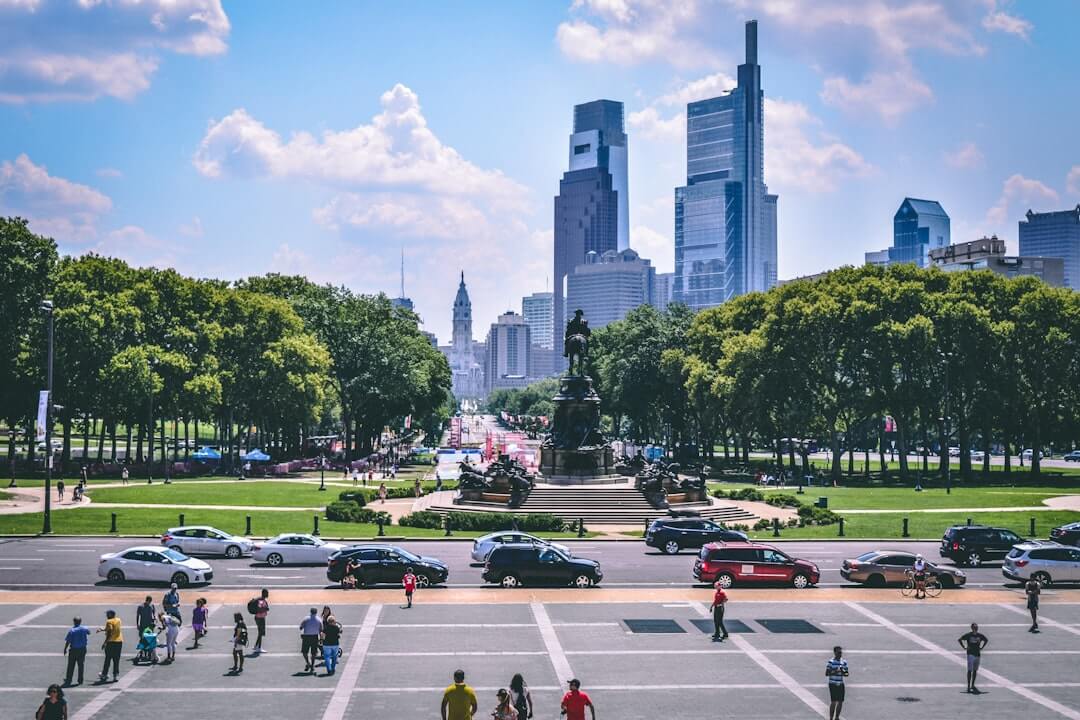
- Day 3 (Parkway + Rittenhouse): Philadelphia Museum of Art (and the Rocky steps), Barnes Foundation, Rodin Museum. Lunch at Rittenhouse Square. Walk to Fairmount Park for the afternoon.
- Day 4 (Fishtown or South Philly): A neighborhood food day — Fishtown for breakfast and brunch, or South Philly for the Italian Market and East Passyunk dinner.
- Day 5 (longer day out): Valley Forge, the New Jersey shore (Atlantic City or Cape May), or a slower second look at neighborhoods.
For longer trips, the easy add-ons are New York City (1.5 hours by Amtrak), Washington DC (under 2 hours by Amtrak), or Lancaster County / Amish Country (1.5 hours by car).
What disappoints first-time visitors
The honest list:
- The Liberty Bell wait is real. Free, but the security line during 2026 will be the longest in years. Visit at 8 a.m. or expect 60+ minutes.
- The “Philly cheesesteak” hype is set up for disappointment. Pat’s and Geno’s are tourist landmarks; Joe’s, John’s Roast Pork, and Angelo’s are better food. Manage expectations or do the research.
- Center City empties out on weekends. The Financial District blocks especially go quiet Saturday-Sunday.
- Some Old City blocks feel touristy in a way Rittenhouse doesn’t. Choose the base based on what you want the evening to feel like.
- SEPTA isn’t always punctual. Buses are slower than NYC’s, and the regional rail has occasional delays. Build buffer for time-critical trips.
- The Italian Market is best Tuesday-Saturday. Sunday-Monday hours are limited.
None of this makes Philadelphia a bad trip. It makes it a city that rewards a walking-first strategy, a base near Rittenhouse or Center City, and the willingness to spend at least one day on a neighborhood that isn’t in the guidebook’s first chapter.
Visiting during the 2026 FIFA World Cup? Lincoln Financial Field hosts six matches between June 14 and July 4 — yes, including a Round of 16 match on Independence Day, the city’s biggest civic moment of the 250th anniversary. The match-day logistics, the SEPTA Broad Street Line direct service, and the Lemon Hill Fan Festival sit in a separate piece: BSL South: Lincoln Financial Field at the 2026 World Cup.